What A Coach Will Give You That No AI Plan Or App Ever Can
Your training plan gets you to the start line. Your coach gets you through everything in between.
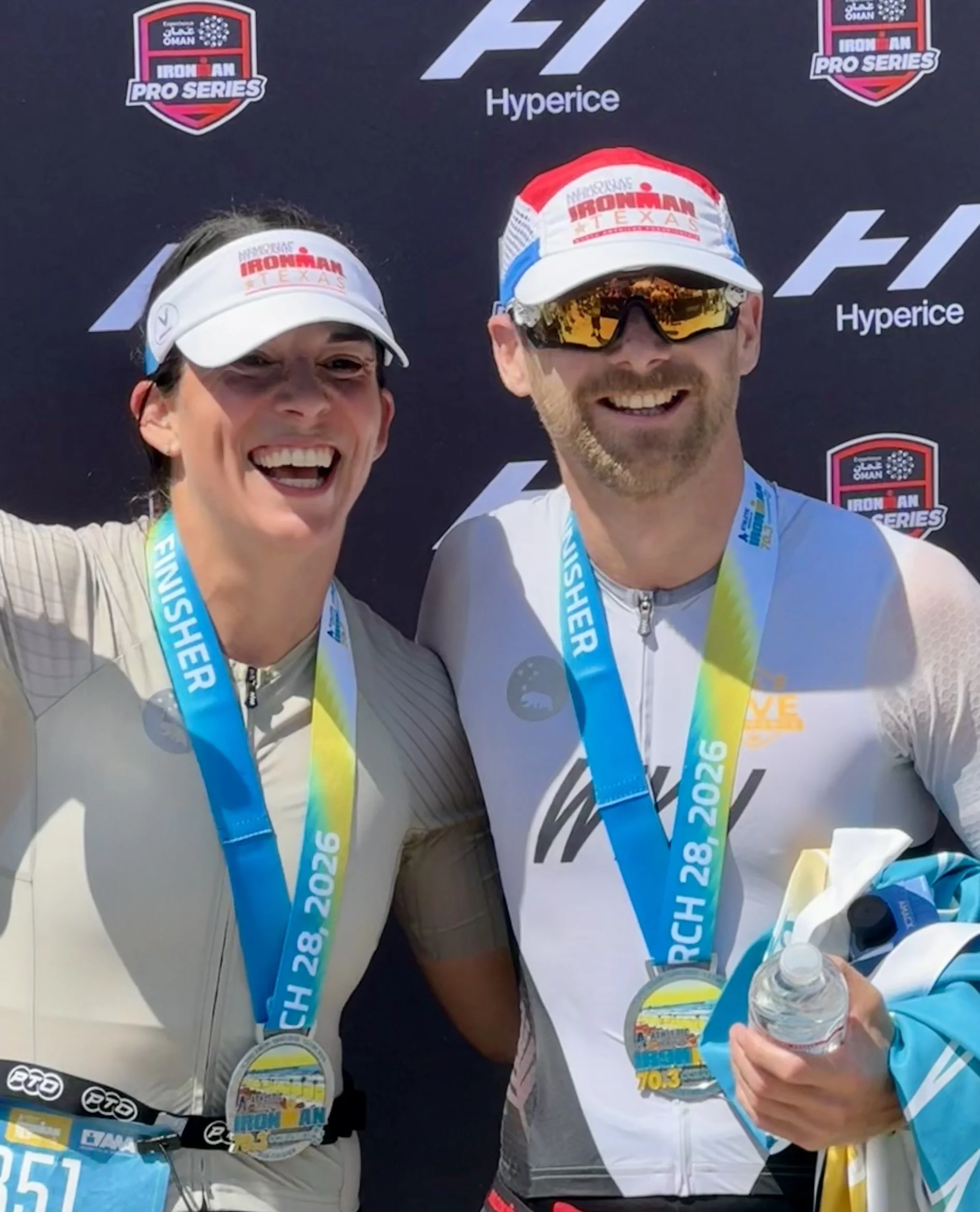
The biggest misconception about triathlon training beginners make is that everything is straightforward, it all goes to plan and the whole process is sunshine and rainbows.
So they download a plan that an AI chat made, or from an AI training app and very quickly it all falls apart.
Things, inevitably, do not go to plan. Life gets in the way. S*** happens. That’s just the reality when training for an endurance event, and the only thing you can do is adapt.
That plan worked well for a few weeks. Until it didn’t.
But what if there was someone in your corner or could keep you on track and connect with you on a level no chat or app can? There's something an AI will never be able to give you; a real human who genuinely cares whether you make it.
In endurance sport, that relationship isn't a bonus but the whole point.
Here’s how having a coach could be the best decision you made in your triathlon journey.
They've been through the dark miles too
Most coaches have lived through everything they're coaching you to endure. The 3am doubts, the mid-race despair, the days where they felt like quitting. When they say "I know how hard that felt," they actually mean it. That shared experience builds a foundation of trust that no algorithm can manufacture. You're not being coached by software. You're being coached by someone who's been there too and understands your struggles on a human level.
What an AI simply cannot see
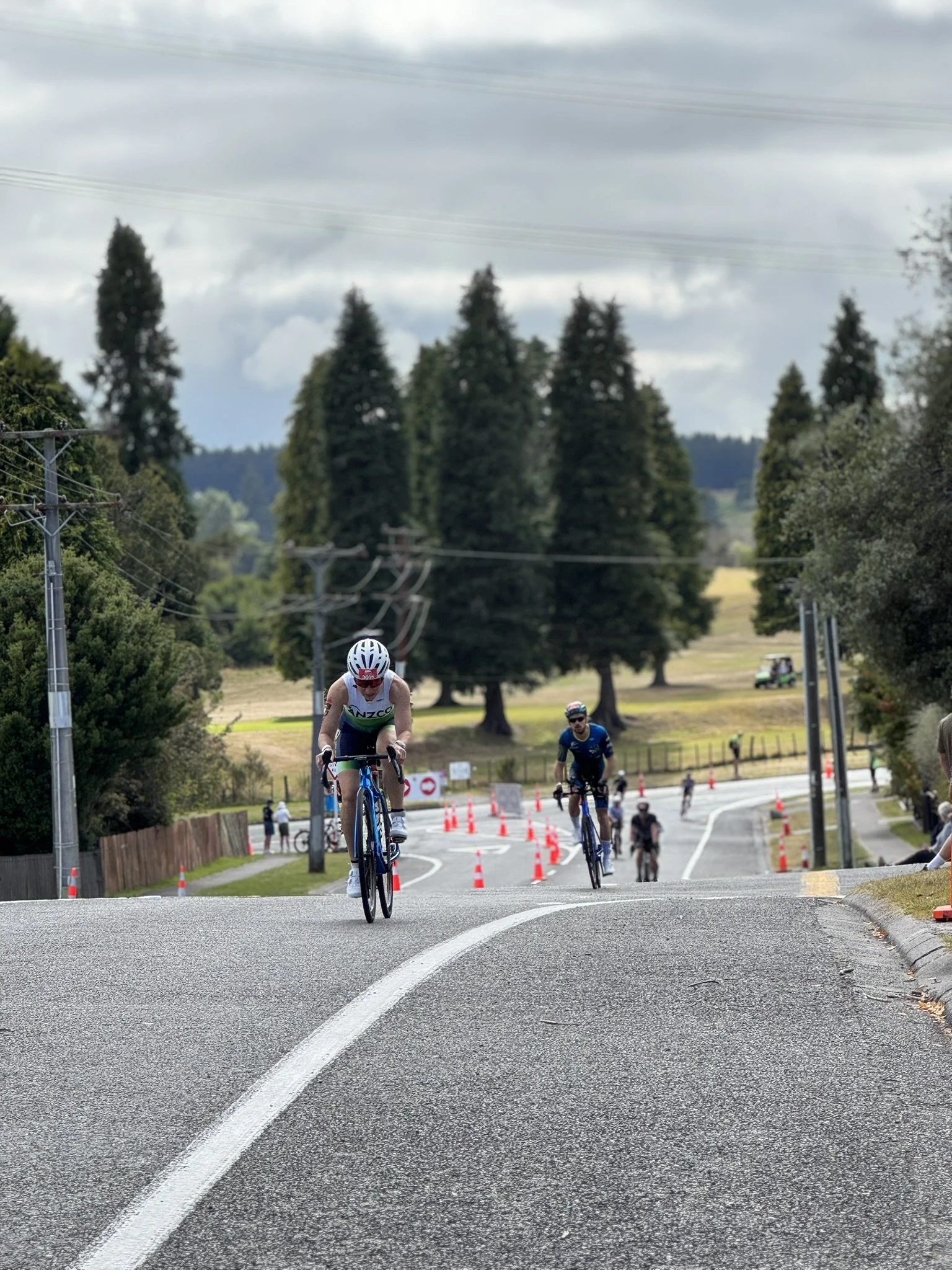
An AI can hand you a training plan. What it can't do is really read you. It can't tell when your bike handling needs work and prescribe the right skills to improve it. It can't spot the inefficiency in your swim stroke and identify the specific drill that will fix it. It can't tell you that racing shorter distances first is exactly what you need to develop the skills your goal race demands. It won't advise you on the right equipment for your body, your goals, and the conditions you'll race in.
Real observation, by a real coach, is where AI ends and genuinely tailored guidance begins.
It never even questioned your plan
When you ask an AI to write you a training plan, it just does it. It never stops to ask whether the race you have in mind is actually the right one for where you are right now. It won't tell you that the distance you've chosen is too ambitious for your current fitness, or that the timeframe you've given it isn't realistic for your level of skill and experience. It never took into account your injury history or work schedule. It simply builds the plan you asked for, tells you what you want to hear, and sends you on your way. A real coach does the opposite. Before anything else, they ask the questions that matter.
Is this race right for you?
Is this timeline achievable?
Are your expectations grounded in where you actually are, not just where you want to be?
That honesty, before a single session is planned, is where the real value of a coach begins.
An AI does what you want it to, regardless if it’s actually good for you. A coach will do what’s best for you.
Reading between the lines
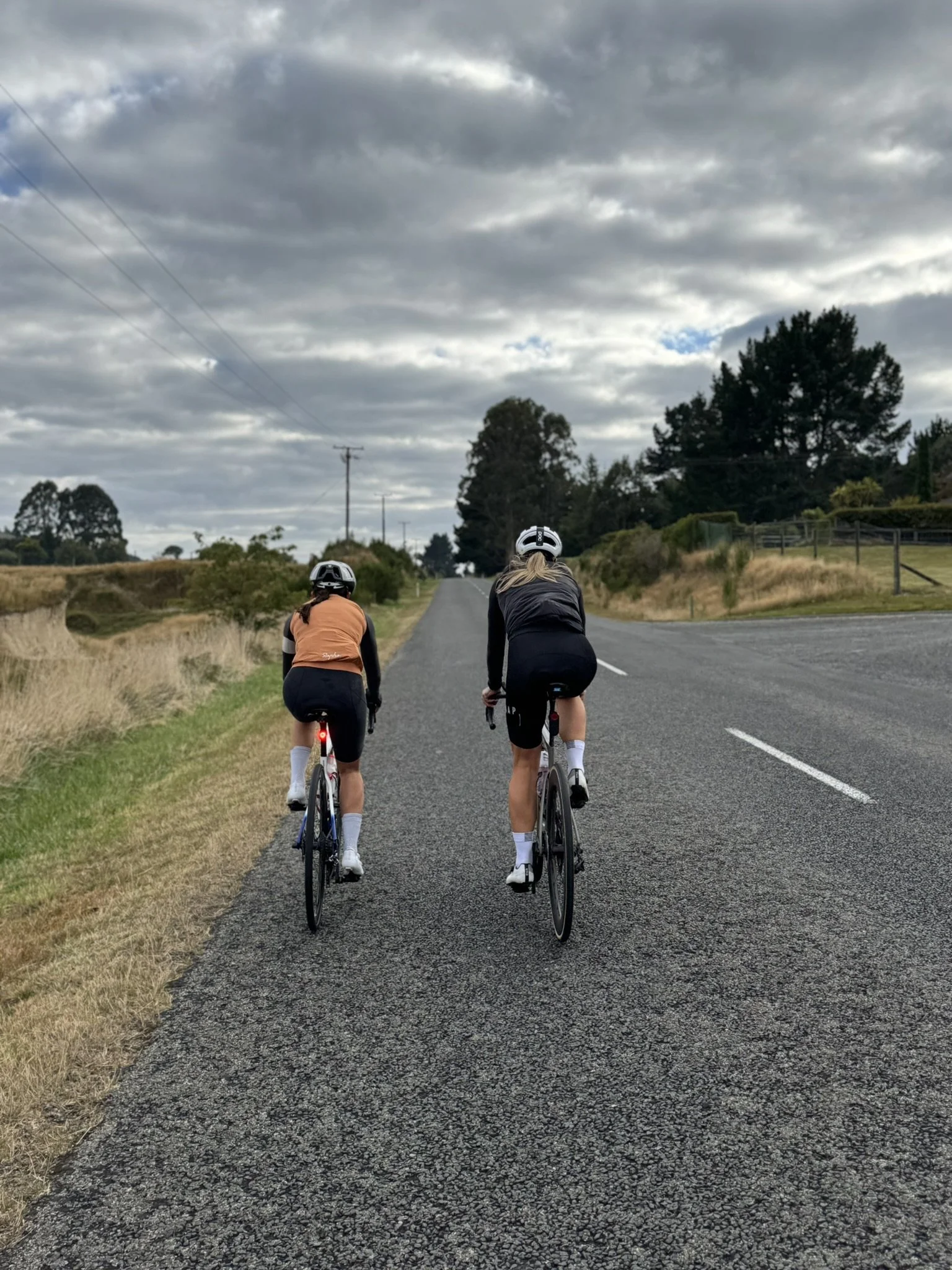
A good coach hears what you're NOT saying. They notice when your energy is off before you've mentioned it, when you're pushing through when you should be resting, when the way you describe a session tells a different story than the numbers do. They care just as much about how the training feels as what the data tells them.
That ability to read between the lines, built from years of experience with real athletes, shapes advice that's crafted specifically for you.
An AI can only see the data. It can’t see you emotion.
Pick up the phone
Some days you don't need a training plan adjusted. You need to vent. A great coach is someone you can actually call. To offload after a terrible session, to talk through why your motivation has vanished, or just to say "I don't know if I can do this."
They'll listen, they'll ask the right questions, and they'll help you find your way back. That's not something you can get from a screen.
Being truly known

After a few training cycles together, your coach knows your patterns better than you do. They know when your confidence quietly dips before a big race, when you overtrain to cope with life stress, and when you're downplaying an injury. That kind of deep knowledge changes every conversation you have with them. An AI resets. A coach remembers, and everything they know about you makes their guidance sharper.
A coach wants to understand why you're doing endurance sport, because that determines how they can tailor their coaching to you.
An AI never even asked, because it never cared.
Honest conversations, not validation
Ask ChatGPT a question, then tell it it's wrong. It'll say "you're right" and give you exactly what you wanted to hear. A good coach will do the opposite. They'll challenge your thinking, question your excuses, and have an honest conversation when you need one, not just validate whatever you've already decided. Not because they want to be difficult, but because they genuinely care about what’s best for you.
There's a big difference between words that agree with you and a human being who believes in you enough to be honest.

Skin in the game
An AI has no stake in your success. A coach does. When you nail a race, they actually feel it. When you're struggling, they lose sleep over it too. That reciprocal investment, a real person who is genuinely rooting for you and will fight your corner when you stop believing in yourself, is something no tool can replicate. "I've watched you train for six months. Trust the work."
That hits differently when a human says it.
Strengthening your resilience
Endurance sport is won and lost in your head long before it's decided in your legs. The hardest part of a race, long training session or hard interval isn't the physical effort, it's the voice that tells you to back off, to settle and to stop.
A coach works with you to train that part of you the same way they train your engine: deliberately, and over time. They learn which doubts surface for you specifically, the stories you tell yourself when you feel like quitting and the moments your self-belief tends to crack.
They’ll connect with you on a human to human level to help you develop the mental techniques to push through when those tough times come so you’re prepared to power on through. You can be sure that in endurance sport training and racing, those tough times will come. And it happens a lot more than you think.
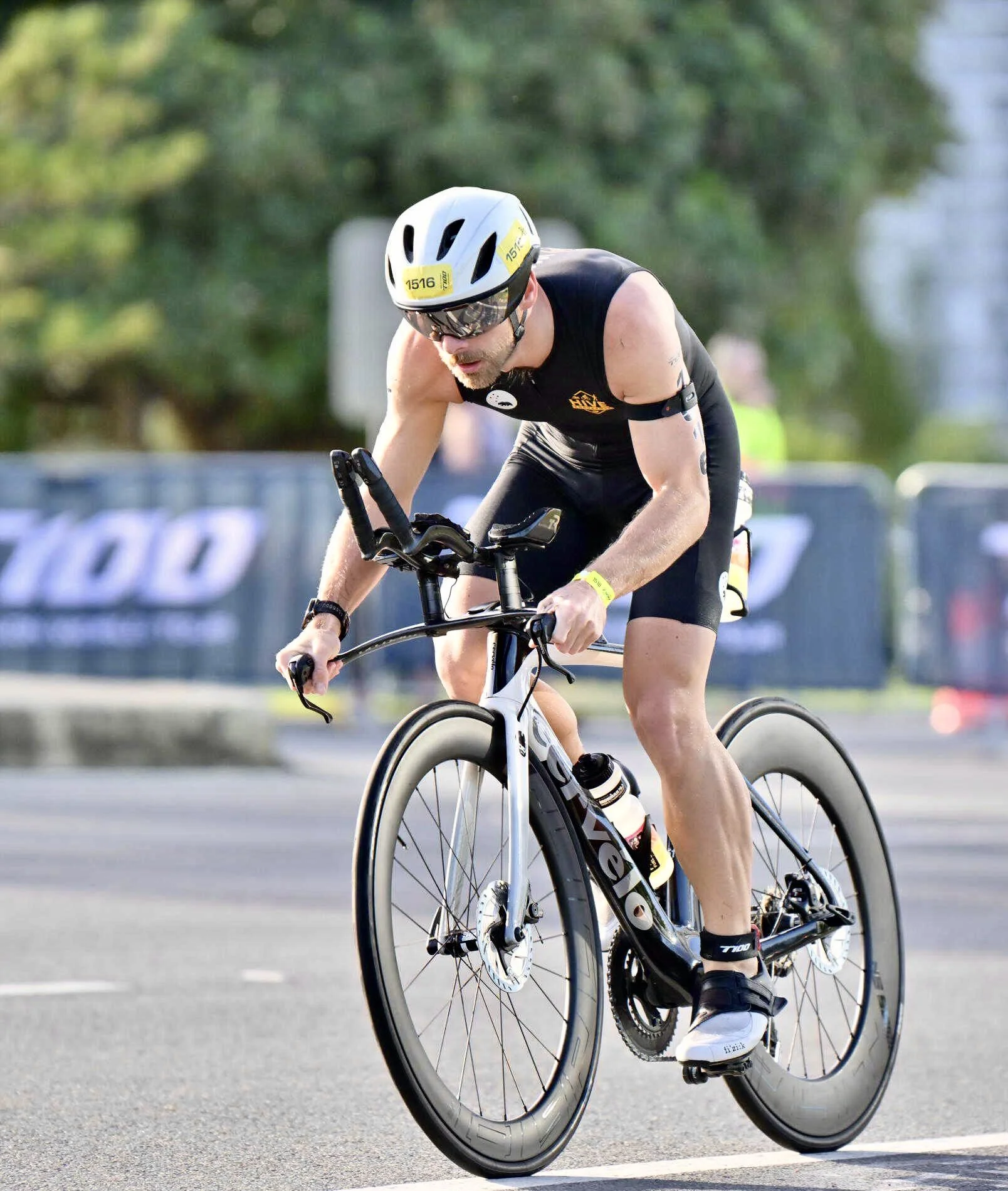
An AI can tell you to "stay positive." It can't know your fears, sit with you in them, find out exactly works for you through meaningful conversation and build you into someone who can face them down. Mental resilience isn't developed from a chat. It's forged in a relationship with someone who believes you're capable of more than you do, and keeps showing up until you believe it too. It’s built through one-to-one techniques that are trainable.
Beyond the sport
The best coaching relationships spill into life well beyond the training. Triathlon has a way of surfacing bigger questions about resilience, identity, and how you handle pressure and setbacks. A great coach becomes a mentor in a much wider sense. The sport gives you the reason to show up. The relationship gives it meaning.
AI is just words on a screen. A coach is a human being in your corner.